So You've Submitted Your HBS Application, Now What
The waiting period after submitting your HBS MBA application doesn't have to feel passive. This guide covers strategic interview preparation, application review, and backup planning. Learn how to maximize your chances during this crucial time.

Yes, Harvard Business School Follows a Standard Timeline After R1
The waiting period after submitting your HBS application typically spans 4-6 weeks before interview invitations begin rolling out. We understand the mix of relief, uncertainty, and restless energy you're feeling right now. While it's tempting to refresh your email constantly, there are strategic moves you can make during this time that will strengthen your position regardless of the outcome.
Understanding HBS's admission timeline helps make this period more manageable. The admissions committee needs several weeks to review the thousands of R1 applications they receive. Interview invitations usually start appearing in your inbox around late October through November, with the interview process extending into December and January. Decisions follow shortly after.
We also want you to prepare mentally for all possible scenarios. You might receive an interview invitation, be placed on the waitlist, or face a rejection. Having a clear understanding of the timeline allows you to prepare backup plans and maintain forward momentum in your MBA journey.
Start Your Interview Preparation Immediately
Begin preparing for your HBS interview now, before you receive that invitation. HBS interviews focus heavily on your interpersonal skills, leadership potential, and ability to contribute to classroom discussions. The format differs significantly from other MBA program interviews, emphasizing behavioral questions and case-based discussions.
We recommend practicing your core stories about leadership experiences, career transitions, and specific achievements. Focus on articulating not just what you did, but how you did it and what you learned. HBS interviewers want to see evidence of self-awareness and growth mindset. They're evaluating whether you can engage in the rigorous case method discussions that define the HBS experience.
Mock interviews become invaluable during this preparation phase. Practice with someone who understands the HBS interview format and can provide constructive feedback on your responses, body language, and overall presence. The more comfortable you become discussing your experiences and goals, the more authentic and compelling you'll appear during the actual interview.
Use This Time for Strategic Application Review and Planning
Take advantage of this waiting period to objectively evaluate your application strength. If you've applied to multiple top-tier programs, consider whether your application materials tell a coherent and compelling story across all schools. Look for potential gaps or weaknesses that you can address in future applications or interviews.
This reflection process often reveals opportunities for improvement. Maybe your personal statement could benefit from stronger examples, or perhaps your career narrative needs clearer articulation. If you're also applying to other programs in Round 2, use these insights to strengthen those applications.
Consider your backup plans as well. If you haven't already applied to other M7 schools, research their Round 2 deadlines and requirements. Programs like Chicago Booth and MIT Sloan offer exceptional opportunities and might align well with your goals. Having multiple strong options reduces anxiety and positions you for success regardless of any single school's decision.
We also encourage you to think about potential reapplication strategies. Many successful HBS candidates needed multiple attempts to gain admission. If this cycle doesn't work out, what could you do over the next year to strengthen your profile? This might include gaining new leadership experience, improving test scores, or developing clearer post-MBA goals.
Focus on Personal and Professional Development
Don't let the MBA application process consume your entire life during this waiting period. Maintain work-life balance and continue excelling in your current role. Strong recent performance can provide additional talking points for interviews and demonstrates your ability to handle multiple priorities effectively.
Use this time to enhance skills that will benefit you in business school and beyond. Consider taking on stretch projects at work, pursuing relevant certifications, or deepening your industry knowledge. These activities not only improve your profile but also prepare you for MBA coursework and recruiting.
Networking remains crucial throughout this process. Connect with current HBS students and recent alumni to gain insights into the program culture and academic experience. These conversations can provide valuable perspective for potential interviews and help you determine whether HBS truly aligns with your goals and values.
We also recommend managing your stress and maintaining physical and mental health. The MBA application process can be emotionally draining, and you'll need sustained energy for interviews and potential reapplications. Develop healthy coping mechanisms and maintain supportive relationships outside the MBA bubble.
Stay Organized and Responsive
Keep monitoring your email regularly, but set specific times for checking rather than constantly refreshing your inbox. When interview invitations do arrive, you'll typically have limited time to respond and schedule your slot. Having your calendar ready and being prepared to act quickly gives you the best selection of available times.
Prepare for the logistics of interviewing as well. If you'll need to travel to Boston, start researching flights and accommodations. If interviews are conducted virtually, test your technology setup and ensure you have a professional background and reliable internet connection.
Maintain Perspective on the Broader Journey
Remember that your MBA journey extends far beyond any single admission decision. Whether you're admitted to HBS, attend another excellent program, or decide to reapply next year, you're developing valuable skills and clarifying your goals throughout this process.
Focus on what you can control during this waiting period. You can't influence the admissions committee's decision, but you can prepare thoroughly for interviews, strengthen other applications, and continue growing personally and professionally. This mindset will serve you well regardless of the outcome.
The period after submitting your HBS application doesn't need to feel like passive waiting. By preparing strategically for interviews, reflecting on your application approach, and continuing your personal development, you're positioning yourself for success in whatever comes next. Our team at M7A has guided hundreds of candidates through this exact process, helping them maximize their chances at top MBA programs. We understand the unique challenges and opportunities this waiting period presents, and we're here to help you navigate it successfully. Learn more about how our consulting services can support your MBA journey.
Keep reading
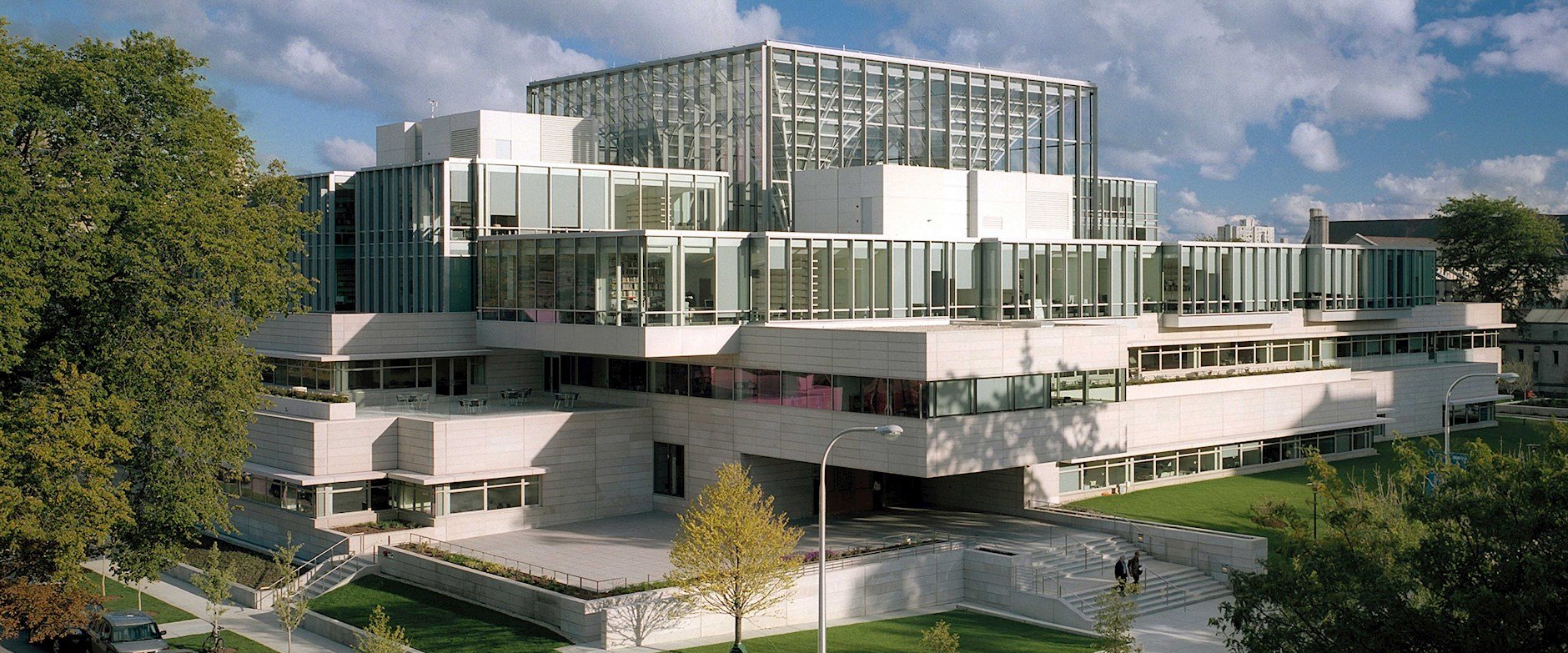
Chicago Booth MBA Application Guide for the 2026-27 Cycle
Chicago Booth eliminated its long-form essays for the 2026-27 cycle. The required writing is now four short answers at 300 characters each, and the photo prompt flipped so applicants supply their own image. We cover every question, the deadlines, and the Class of 2027 numbers.

FT 2024 MBA Rankings Unveiled
The Financial Times' 2024 MBA Rankings have placed The Wharton School at the University of Pennsylvania in the coveted number one spot for the 11th time since the ranking's inception in 1999. In this blog post, we highlight a few statistics and emerging trends from the FT report, reflecting the shifting landscape of business education.
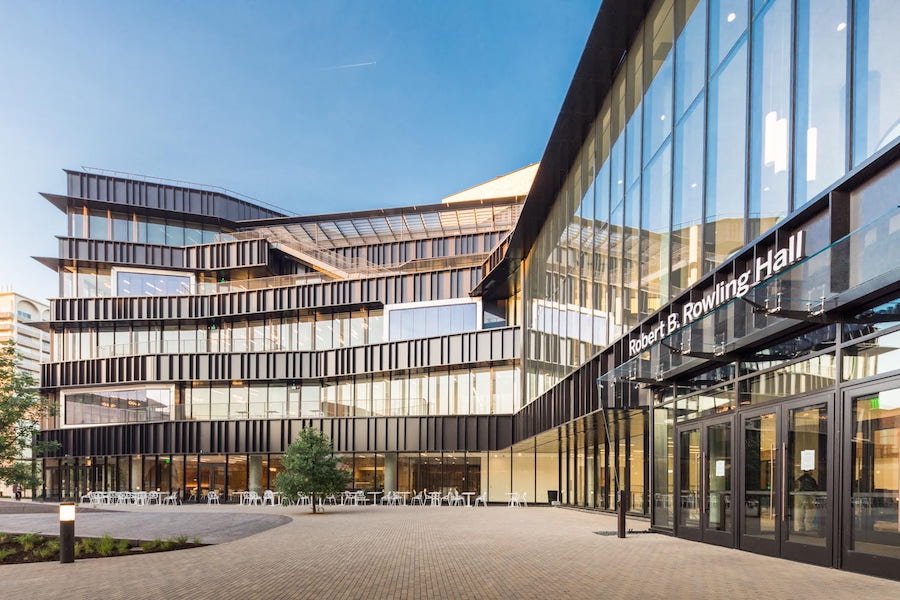
A Sign of the Times - The New Round 4 at Texas McCombs Explained
Texas McCombs introduced Round 4 MBA applications for U.S. citizens affected by economic disruption. This guide covers eligibility, financial aid limitations, and strategic considerations. We analyze whether applying Round 4 or waiting makes more sense for your situation.
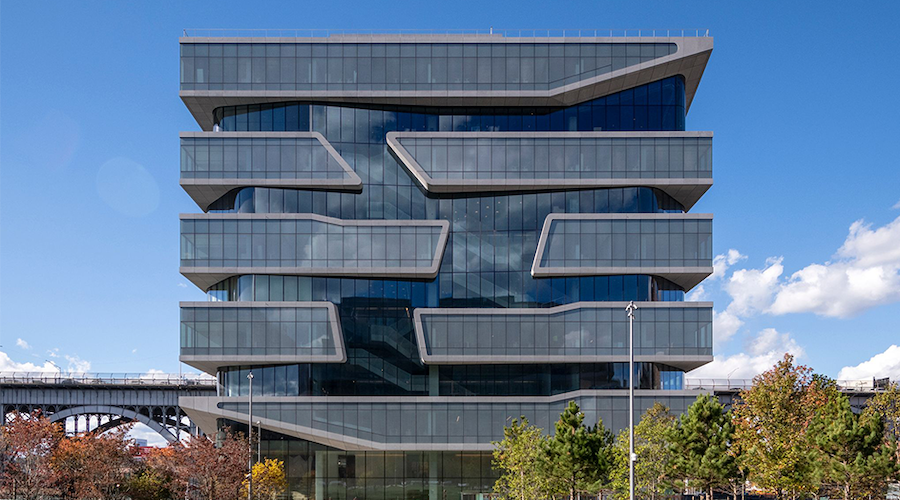
Columbia Business School Application Rounds and Entry Terms Explained
Columbia runs two entry terms, and picking the wrong one can cost you the summer internship your career switch depends on. This guide covers how the three rounds actually work, what the requirements and deposits look like, and why the DEI essay is gone.