From Camo to Corporate: Navigating McKinsey’s SkillBridge Military Fellowship
Veterans bring leadership, resilience, and problem-solving skills that translate powerfully into consulting. McKinsey’s Military Fellowship, offered through the Department of Defense SkillBridge program, is a competitive 10-week internship that helps service members apply those skills in real client settings. In this post, we break down what the program is, how it works, and what to expect if you’re considering applying.
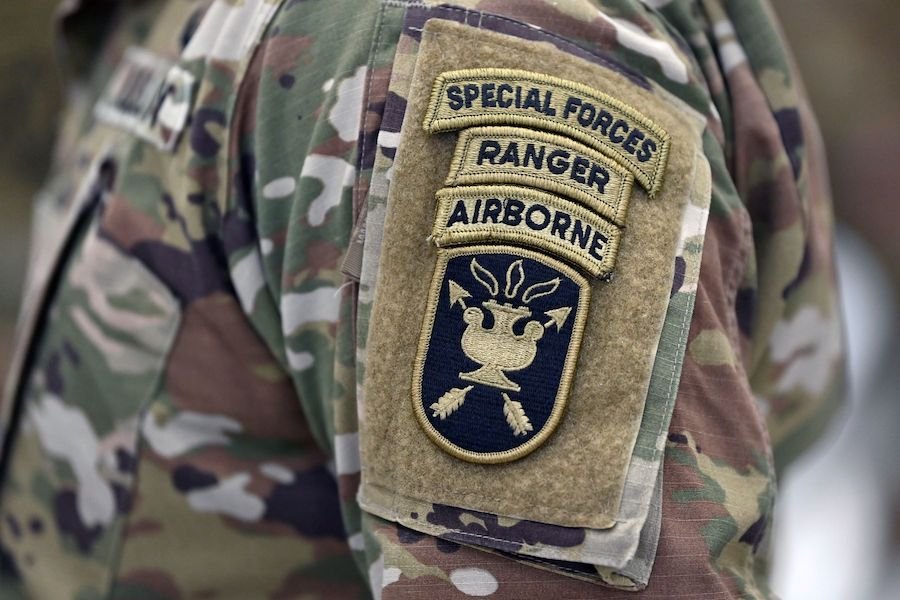
What Is McKinsey SkillBridge?
McKinsey’s Military Fellowship, offered through the Department of Defense SkillBridge program, is a 10-week, apprentice-style internship designed for U.S. service members within 180 days of transitioning out of the military.
Participants join McKinsey consulting teams across U.S. offices, working directly on real client challenges. The program is open to all branches and specialties—no business background required.
Important: The next application deadline is September 22, 2025.
Why It’s Valuable for Veterans
SkillBridge offers more than just a foot in the door at McKinsey:
- Hands-on client experience solving complex problems
- Skill development in structured problem-solving, data synthesis, communication, and relationship-building
- Mentorship from consultants and alumni of the military
- Community support via Veterans@McKinsey, a firmwide network of nearly 450 veterans and allies
For transitioning service members, it’s a rare opportunity to apply your leadership and adaptability in a civilian, business-driven environment.
How Competitive Is It?
McKinsey doesn’t publish acceptance rates, but the fellowship is highly selective. A few indicators:
- The inaugural 2023 cohort received 100% full-time offers upon completion.
- The program expanded in 2024 to fifteen fellows, showing both demand and McKinsey’s growing investment.
Veterans with strong records of leadership, analytical ability, and adaptability are most competitive.
What the Internship Includes
As a McKinsey fellow, you’ll:
- Structure ambiguous problems and generate hypotheses
- Analyze and synthesize complex data into clear insights
- Collaborate with diverse teams across military and business backgrounds
- Communicate recommendations to senior client leaders
It’s an intense introduction to consulting—and a chance to show you can thrive in one of the most demanding environments in business.
What Comes After SkillBridge?
- Full-time consulting offer: Many fellows convert to McKinsey Business Analysts or Associates.
- MBA sponsorship: Some pursue an MBA afterward, often with firm sponsorship.
- Broader career transitions: Others leverage the experience into roles in industry, entrepreneurship, or government.
Importantly: you don’t need an MBA after SkillBridge—but for veterans considering business school, the experience can be a powerful differentiator.
FAQs
What is the deadline for McKinsey SkillBridge?
September 22, 2025.
How long is the internship?
Ten weeks.
What kind of work will I do?
Client-facing problem-solving with McKinsey teams—real consulting work, not shadowing.
Will I receive a full-time offer?
Many do. The 2023 cohort received 100% offers, and the 2024 class included 15 fellows.
Do I need an MBA afterward?
No. Many veterans go straight into consulting. But some pursue MBAs for networking, career flexibility, or entrepreneurship.
Ready to Take the Next Step?
🚀 Thinking about McKinsey—or wondering if an MBA should be part of your transition?
At M7A, our team includes service academy alumni and veterans who’ve successfully navigated the path from active duty to top MBA programs and consulting firms. We understand the unique challenges of translating military experience into business success—and we’re here to help.
Keep reading

What Can You Do With an MBA? Post-MBA Career Paths Explained
The most common question from MBA applicants isn't about getting in — it's about what comes next. This guide breaks down the real post-MBA career paths that M7 graduates take, including consulting, finance, tech, startups, and less obvious options, with realistic salary expectations for each.

Should You Go to Business School? An Honest Framework for Deciding
Getting into a top MBA program doesn't mean you should go. This guide gives you an honest framework for evaluating the decision — the real ROI, who benefits most, who should wait, and the cases where skipping business school is the smarter move.

Delayed Start Dates After an MBA: What to Do If Your Offer Gets Pushed
Delayed start dates after an MBA are more common than applicants expect, particularly in consulting and investment banking. This guide covers why it happens, what your options are, how to negotiate with your employer, and how to use the extra time productively.
How to Build a Strong MBA Application: A Practical Guide for M7 Applicants
Strong stats alone don't get you into HBS, Stanford, or Wharton. This guide breaks down every component of the M7 MBA application — GMAT, GPA, essays, recommendations, and interviews — and what actually separates admits from strong applicants who get rejected.