What HBS Actually Looks For in MBA Applicants
HBS evaluates far more than academic credentials when selecting MBA candidates. This insider guide reveals what Harvard really prioritizes in applications. Learn the unspoken criteria that separate admits from rejections.
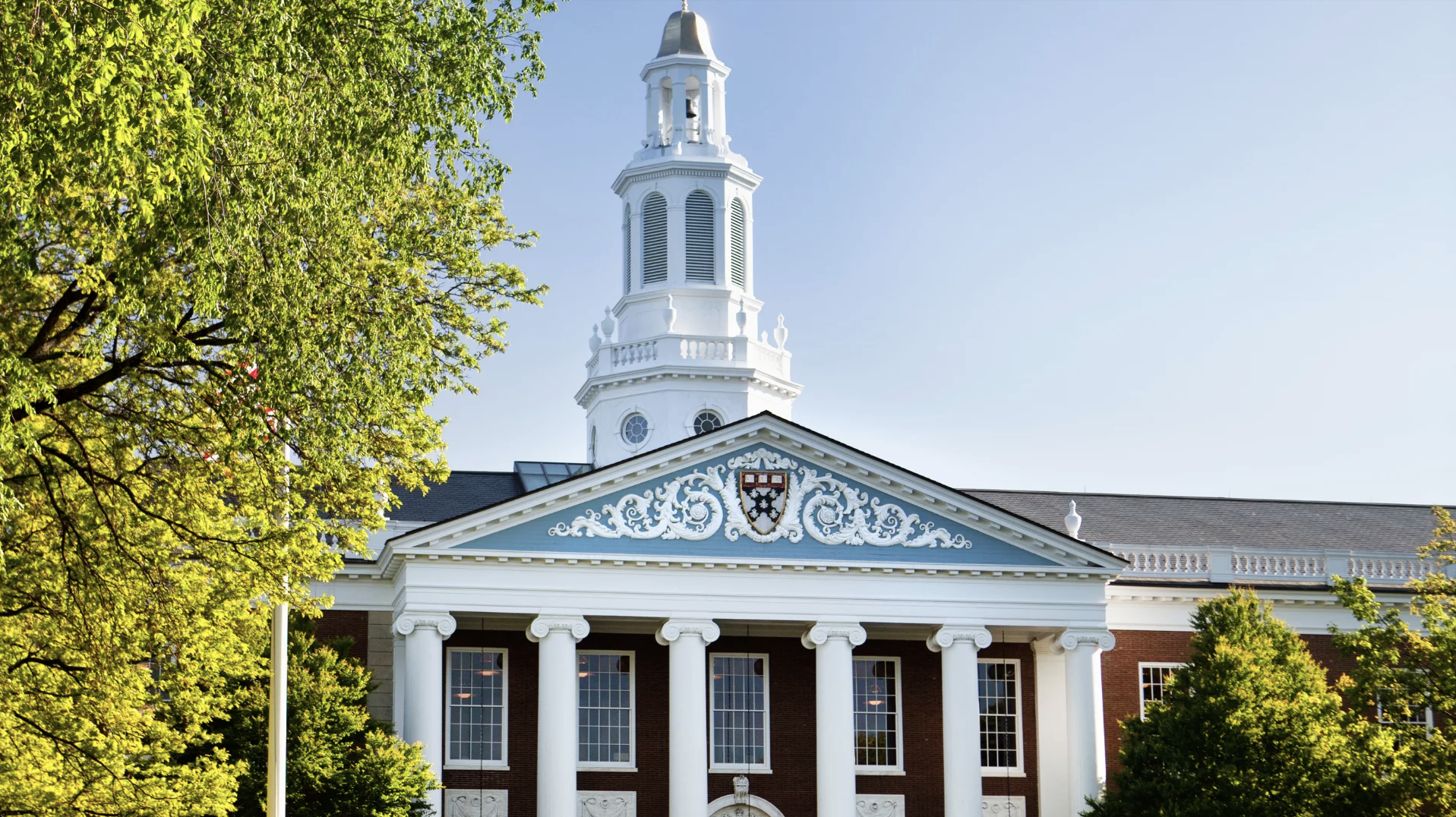
HBS Values Academic Excellence But Not Perfectionism
Harvard Business School absolutely demands academic rigor, but we see many applicants misunderstand what this means. The school wants intellectual horsepower, not grade-grubbing perfectionists. Your transcript should demonstrate consistent performance across challenging coursework, but a few B's won't sink your application if you show intellectual curiosity and learning agility elsewhere.
The median GMAT score hovers around 740, but we've worked with successful applicants scoring in the 720s who brought compelling stories and clear post-MBA vision. What matters more than hitting a specific number is showing you can handle the case method's analytical demands. HBS admissions officers know their curriculum requires rapid information processing and confident decision-making under pressure.
Your undergraduate performance tells them about your work ethic and intellectual foundation. They're looking for students who challenged themselves academically, whether through rigorous majors, honors programs, or independent research. If you took the easy route to maintain a perfect GPA, that signals risk aversion that doesn't align with HBS culture.
Professional Impact Matters More Than Prestigious Employers
We constantly see applicants obsess over brand-name employers, but HBS cares more about what you accomplished than where you worked. The admissions committee wants to see evidence of leadership potential and business acumen, not just prestigious job titles. They're asking whether you created measurable value and influenced outcomes beyond your immediate responsibilities.
Strong HBS candidates demonstrate progressive responsibility and increasing impact throughout their careers. This might mean leading cross-functional projects, driving revenue growth, or solving complex operational challenges. The key is showing how you identified opportunities, mobilized resources, and delivered results that wouldn't have happened without your involvement.
Your professional narrative should highlight moments when you took calculated risks or advocated for unpopular but necessary changes. HBS wants future alumni who will shake up industries and create new business models, not followers who execute other people's strategies. They're particularly drawn to candidates who've started something, whether a new product line, a company initiative, or an entrepreneurial venture.
Don't underestimate unconventional paths either. We've seen military officers, teachers, and nonprofit leaders gain admission by demonstrating leadership principles that translate directly to business contexts. The common thread isn't industry or function but rather evidence of leadership potential and clear post-MBA goals that require Harvard's specific resources.
The Application Reveals Character Under Pressure
HBS uses its notoriously brief essay prompts and tight word limits intentionally. They want to see how you prioritize information and communicate under constraints. The application process itself becomes a test of judgment, self-awareness, and communication skills that predict classroom performance.
Your essay responses should demonstrate deep self-reflection and clear strategic thinking about your future. Admissions officers read thousands of applications describing career progression and leadership experiences. What sets successful candidates apart is their ability to articulate why their specific background positions them to achieve ambitious post-MBA goals that align with HBS strengths.
The most compelling applications we've seen connect past experiences to future aspirations through a coherent narrative thread. This isn't about fabricating a perfect story but rather identifying genuine themes that explain your choices and motivations. HBS wants students who understand their own development journey and can articulate how an MBA fits their larger life strategy.
Letters of recommendation provide crucial third-party validation of your leadership potential and character. Choose recommenders who've observed you in challenging situations and can speak to specific examples of your influence and growth. Generic praise about your intelligence and work ethic won't differentiate you from other strong candidates.
The Interview Tests Executive Presence
If you reach the interview stage, HBS has already determined you're academically qualified and professionally accomplished. The interview assesses whether you have the executive presence and interpersonal skills to thrive in their collaborative, case-based environment. They're evaluating your ability to think on your feet, engage with different perspectives, and maintain composure under pressure.
Successful interviewees demonstrate genuine enthusiasm for HBS specifically, not just business school generally. They've done their homework about the school's culture, faculty research, and student organizations. They can articulate concrete ways they'll contribute to the classroom and broader community beyond their professional expertise.
The interview also tests your authenticity and likability. HBS creates lifelong networks, so admissions officers consider whether other students and alumni would want to work with you long-term. This isn't about being the most charismatic person in the room but rather showing genuine interest in others and collaborative problem-solving skills.
HBS Seeks Future Industry Shapers
Above all, Harvard Business School looks for applicants with the potential to become significant business leaders who will enhance the school's reputation over decades. They're making long-term bets on individuals who will create value, drive innovation, and solve important problems across industries and geographies.
This means demonstrating not just past performance but also future potential that justifies the significant investment HBS makes in each student. Your application should position you as someone who will leverage Harvard's resources to achieve goals that require this specific platform. Generic career advancement isn't sufficient motivation for admission.
The strongest candidates articulate clear post-MBA plans that play to HBS strengths while addressing meaningful market opportunities or social challenges. Whether you're planning to join a growth equity firm, launch a healthcare startup, or transform operations at a family business, your goals should require the skills, network, and credibility that Harvard specifically provides.
Understanding what HBS actually values helps you present your candidacy more strategically. For detailed information about application deadlines, essay prompts, and specific requirements, visit our comprehensive Harvard Business School admissions guide. Consider reviewing our broader MBA application tips to strengthen your overall strategy and ensure you're presenting your strongest possible candidacy.
Navigating HBS admissions requires understanding both the stated criteria and unspoken expectations that separate admitted students from strong candidates who fall short. At M7A, we work with ambitious professionals to develop application strategies that highlight their unique value proposition and leadership potential. If you're serious about maximizing your chances at Harvard Business School and other top programs, explore our consulting services to benefit from insider perspective and personalized guidance throughout your MBA journey.
Keep reading
Chicago Booth MBA Application Guide for the 2026-27 Cycle
Chicago Booth eliminated its long-form essays for the 2026-27 cycle. The required writing is now four short answers at 300 characters each, and the photo prompt flipped so applicants supply their own image. We cover every question, the deadlines, and the Class of 2027 numbers.

FT 2024 MBA Rankings Unveiled
The Financial Times' 2024 MBA Rankings have placed The Wharton School at the University of Pennsylvania in the coveted number one spot for the 11th time since the ranking's inception in 1999. In this blog post, we highlight a few statistics and emerging trends from the FT report, reflecting the shifting landscape of business education.

A Sign of the Times - The New Round 4 at Texas McCombs Explained
Texas McCombs introduced Round 4 MBA applications for U.S. citizens affected by economic disruption. This guide covers eligibility, financial aid limitations, and strategic considerations. We analyze whether applying Round 4 or waiting makes more sense for your situation.