Competitive Edge: Letters of Support for MIT Sloan
Applying for an MBA at a top business school means every part of your application needs to stand out. At M7A, we help applicants shine in these critical moments. In this blog post, we introduce an often overlooked aspect of the MIT Sloan application: Letter(s) of Support.
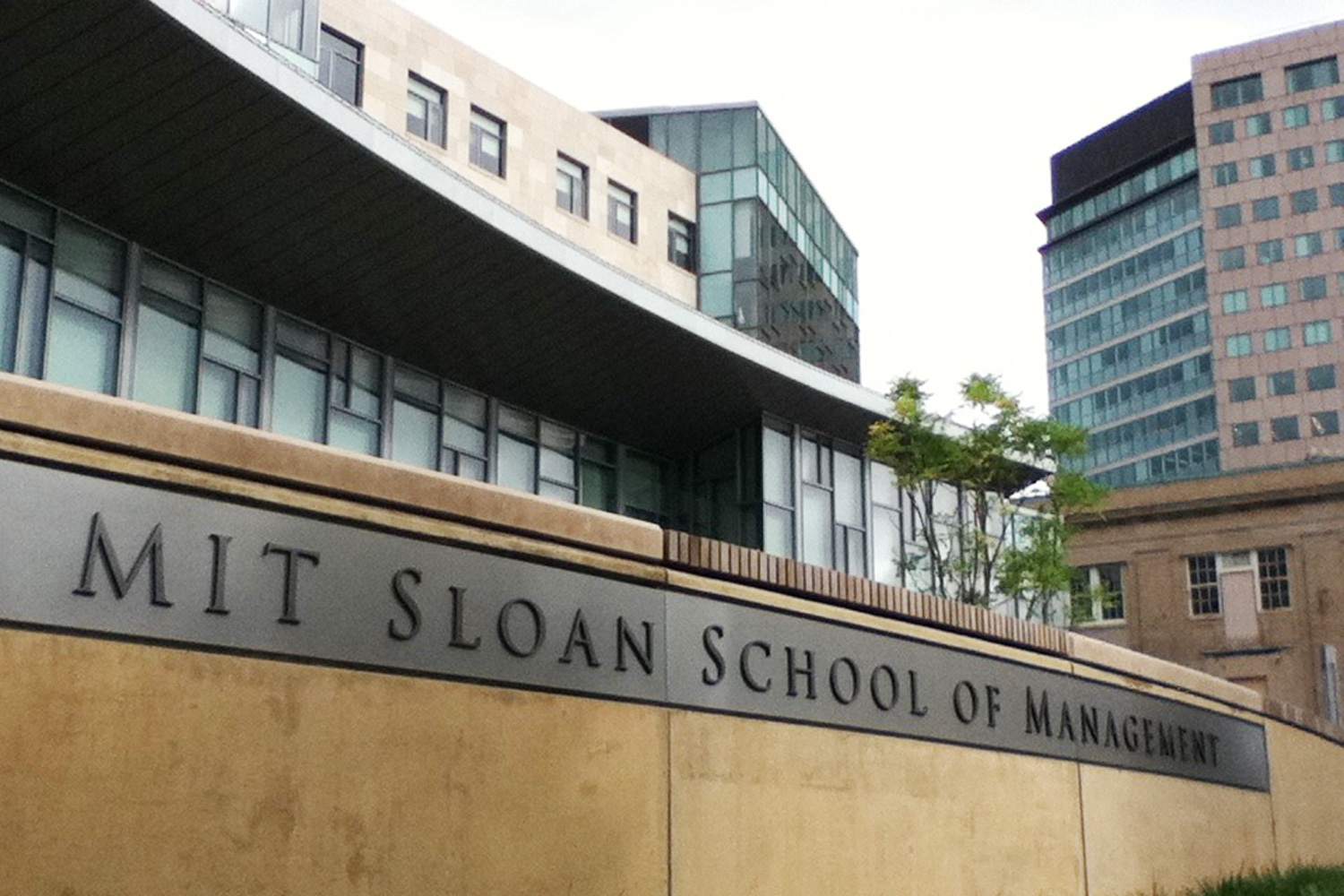
Understanding the Letter of Support
Defining the Letter of Support
A Letter of Support is distinct from the traditional letter of recommendation. While the latter is a staple of MBA applications, the former offers a nuanced advantage. It's a brief, yet impactful document penned by a third party that sheds light on the applicant's potential fit with MIT Sloan. These letters, typically one-page in length, are directed to the admissions director and advocate for the applicant's candidacy from an external perspective.
The Ideal Authors
The question of who can author such a letter is pivotal. Ideal candidates include:
- Current students at MIT Sloan
- Alumni of the program
- Faculty members at MIT
These individuals are integral to the Sloan community and possess the insight to highlight an applicant's fit and potential contribution.
Strategic Submission of Letters of Support
When to Submit
The timing of the submission is as critical as the content. The window after the application has been submitted, particularly 2-5 weeks post-submission, is optimal. This period allows the admissions team to match the letter with the applicant's file, enhancing its impact.
Content Focus
The narrative should underscore the applicant's alignment with Sloan's culture and values. Unlike standard recommendations, these letters do not need to adhere to a specific questionnaire but should rather offer a genuine and detailed account of the applicant's qualities and potential contributions.
Navigating the Process
Deciding to Seek a Letter
Whether to seek a Letter of Support is a nuanced decision. It depends on the applicant's network within the Sloan community and the school's policy on additional application materials. A proactive approach, balanced with adherence to Sloan's guidelines, is advisable.
Understanding Sloan's Policy
It's essential to comprehend and respect MIT Sloan's stance on additional materials in the application process. While a Letter of Support can significantly enhance an application, it's crucial to ensure that it aligns with the school's policies to avoid any potential drawbacks.
Crafting an Effective Letter of Support
What to Include
An effective Letter of Support goes beyond mere accolades. It should:
- Highlight the applicant's unique traits and potential impact on the Sloan community
- Provide specific examples of the applicant's achievements and character
- Offer insight into the applicant's fit with Sloan's values and culture
What to Avoid
Equally important is what to avoid in a Letter of Support:
- Generic statements lacking personal insight
- Repetition of information readily available in the application
- Overemphasis on accomplishments without linking them to Sloan's ethos
Final Considerations
The Impact of a Letter of Support
For those with the opportunity, a Letter of Support is more than an addition to their application; it's a chance to vividly illustrate their fit and potential impact on MIT Sloan. However, it's crucial to remember that not having such a letter is not a detriment. MIT Sloan evaluates applicants on a holistic basis, considering various aspects of their profile.
Conclusion
A Letter of Support can be a strategic asset in your MIT Sloan MBA application, offering a unique perspective on your candidacy. At M7A, we're dedicated to guiding you through the intricacies of this process, ensuring you present a compelling and comprehensive application.
Keep reading

How to Address Employment Gaps in Your MBA Application
An employment gap won't disqualify you from HBS, Stanford, or Wharton — but a weak explanation might. This guide covers what M7 admissions committees actually think about career gaps, how to address them in your resume and essays, and what to say when the gap was involuntary.

How to Get Into MIT Sloan: A Complete Guide to the 2025-26 Application
MIT Sloan's MBA application doesn't look like Harvard's or Stanford's. No traditional essays — just a cover letter, a one-minute video, and a resume. This guide breaks down exactly what the admissions committee is evaluating in each component and how to approach the 2025-26 cycle.

Last-Minute Tips for Round 2 MBA Applicants
Round 2 MBA deadlines cluster in January, leaving limited time for final improvements. This guide reveals exactly what to prioritize and what to avoid in your final weeks. Learn the strategic approach that maximizes your application strength under deadline pressure.
Berkeley Haas MBA Essays: Complete Guide for 2025-26 Applicants
Berkeley Haas has some of the most distinctive essay prompts of any M7 program — and the most common mistakes applicants make are trying to answer them like Harvard or Wharton essays. This guide breaks down every prompt for 2025-26 and what the admissions committee is actually evaluating.